
VIN and evidence review
Match the exact vehicle before confirming compatibility.
Vehicle, model year and lamp type
Current lamp, label and housing
Connectors, modules and coding
Beam, DRL and signal design
Matched pair and written scope
Rolls-Royce · Lighting · Headlights
A technical Rolls-Royce headlight package covering complete left and right lamp assemblies, projector and signature-light elements, housings, control hardware, cooling modules and vehicle-specific function testing.
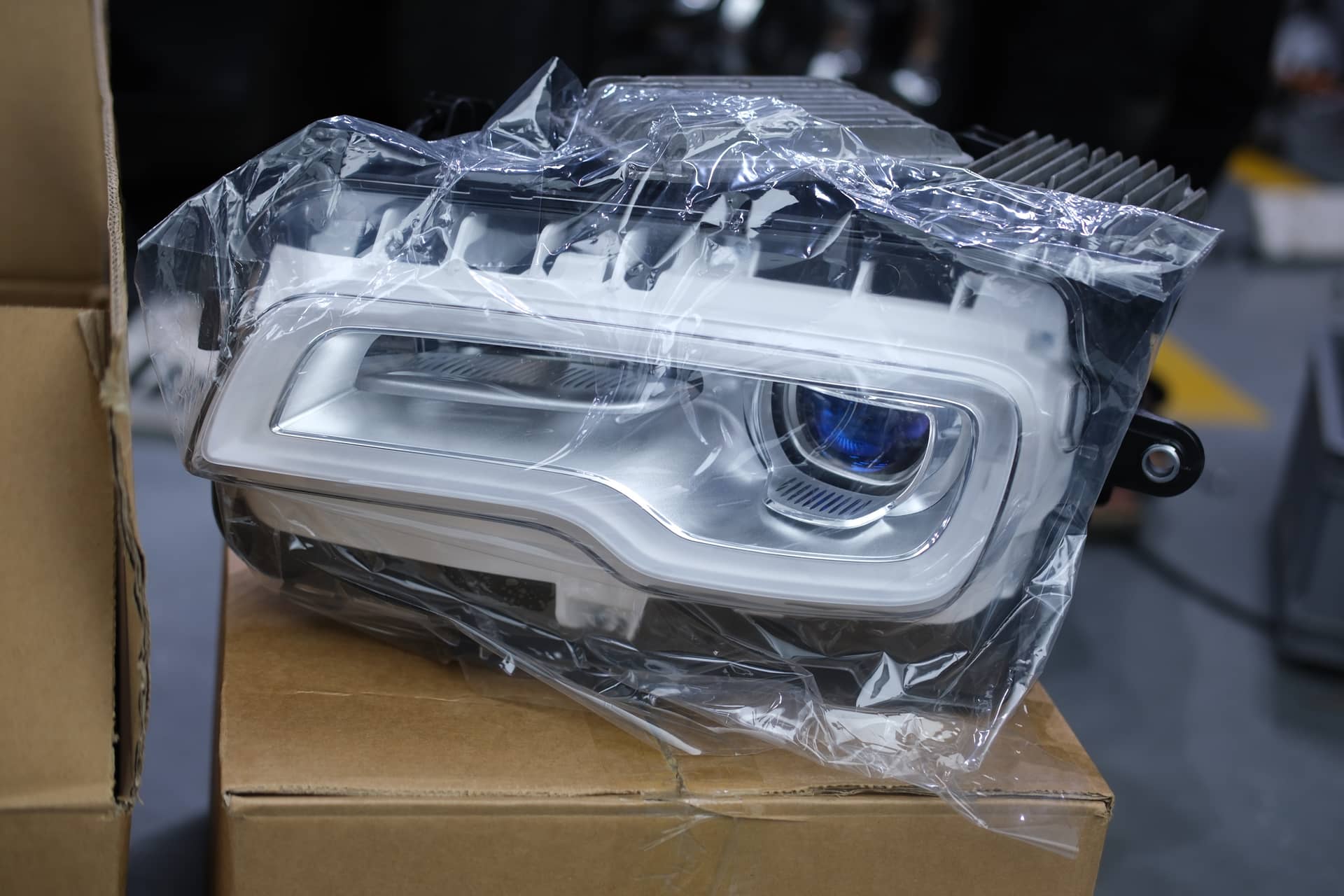
The front view documents the lens shape, internal projectors and signature light channels.
Match the exact vehicle before confirming compatibility.
Record component scope, material, colour and finish.
Review visible details and supplied components before packing.
Plan protective packing plus air or sea cargo.
Exact product and parts scope
A complete lighting quotation should separate the visible lamp assembly from its electronics and installation hardware. Connector type, control strategy, coding and required light functions are confirmed for the exact vehicle.
Matched lamp pair with lenses, internal optical elements, housings and mounting tabs inspected as a complete set.
Internal projector units plus the specified DRL or welcome-light architecture visible through the front lens.
Required electronic controllers are identified by function and compatibility; modules are included only when stated in the quotation.
Heat sinks, fans, vents and rear covers must remain unobstructed and suitable for the lamp's operating requirements.
Vehicle-side plugs, adapters or harness modifications are specified after reviewing the donor headlight and connector project images.
Installation brackets, software work, fault-code checks and final beam aiming are planned as separate vehicle-specific tasks.
Important: only components named in the final written quotation are included. VIN review and professional trial fitting are required before paint, upholstery completion or electrical coding.
Product overview
A headlight assembly combines styling, optics, housings, ventilation, control electronics, cooling hardware, wiring and mounting points. A convincing visible design is only one part of a successful vehicle-specific lighting upgrade.
The selected project images show complete assemblies and their concealed rear architecture. This makes the page useful for explaining why connector type, module compatibility, mounting and heat management must be reviewed before an order is accepted.
Illuminated bench project images document visible light functions, but final compatibility and road legality depend on the exact vehicle and destination. Professional installation, aiming and fault checking remain essential.
Product details and project views
The gallery concentrates on one rectangular luxury headlight design and excludes visibly unrelated round-lamp examples from the original mixed media folder.
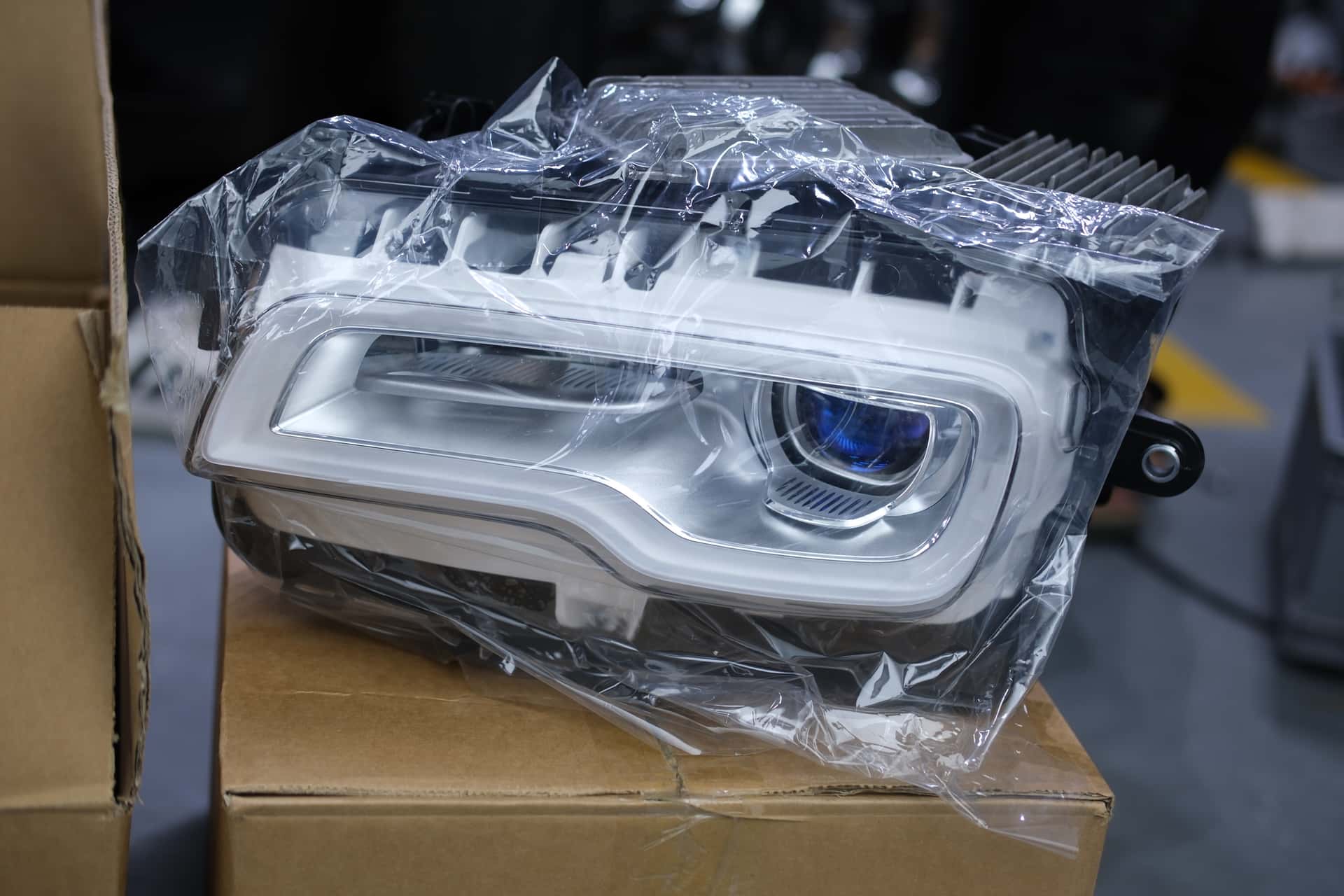
The front view documents the lens shape, internal projectors and signature light channels.
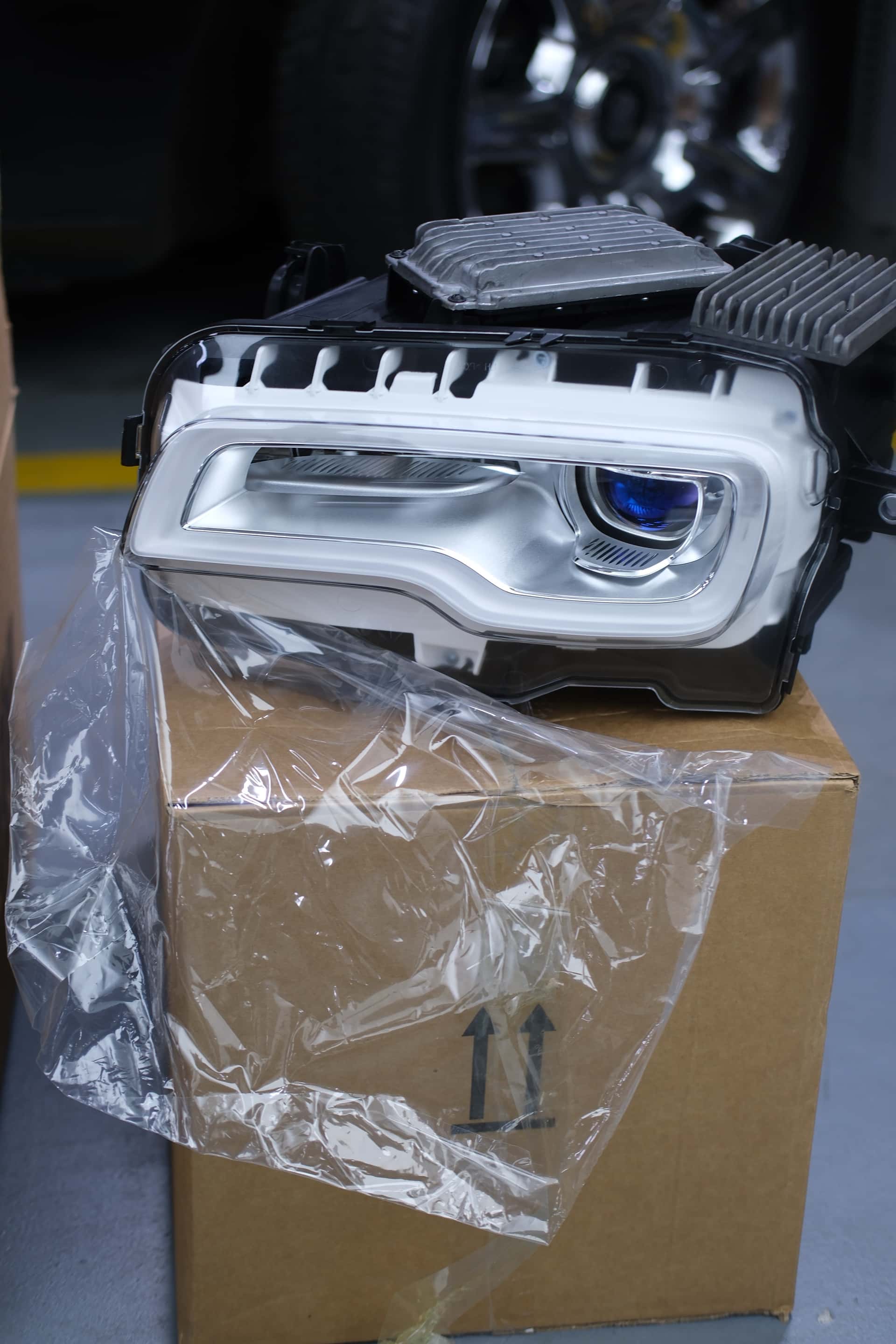
A closer angle makes the projector placement and surrounding light architecture visible.
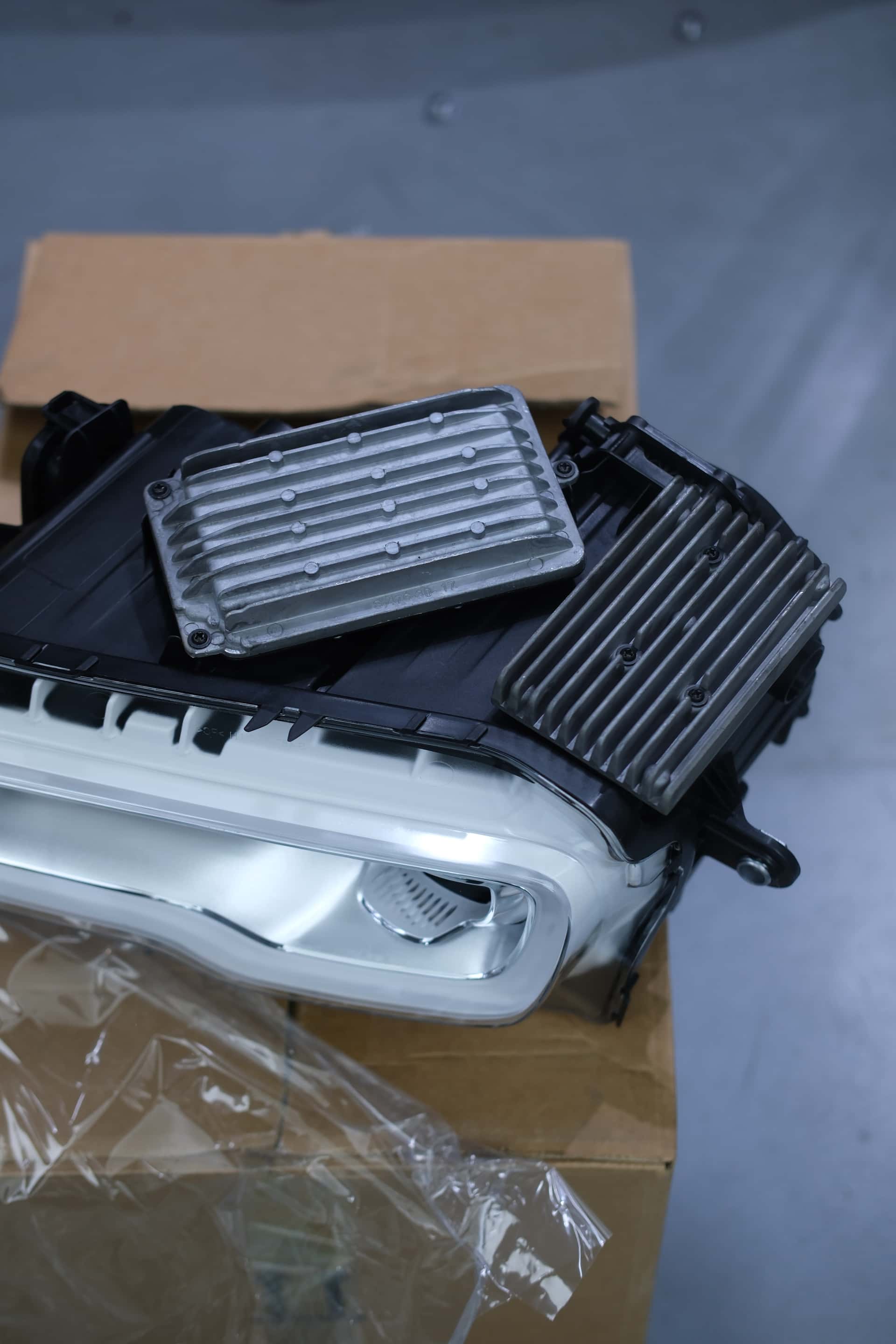
External modules illustrate the electrical and thermal systems concealed behind the visible lamp.
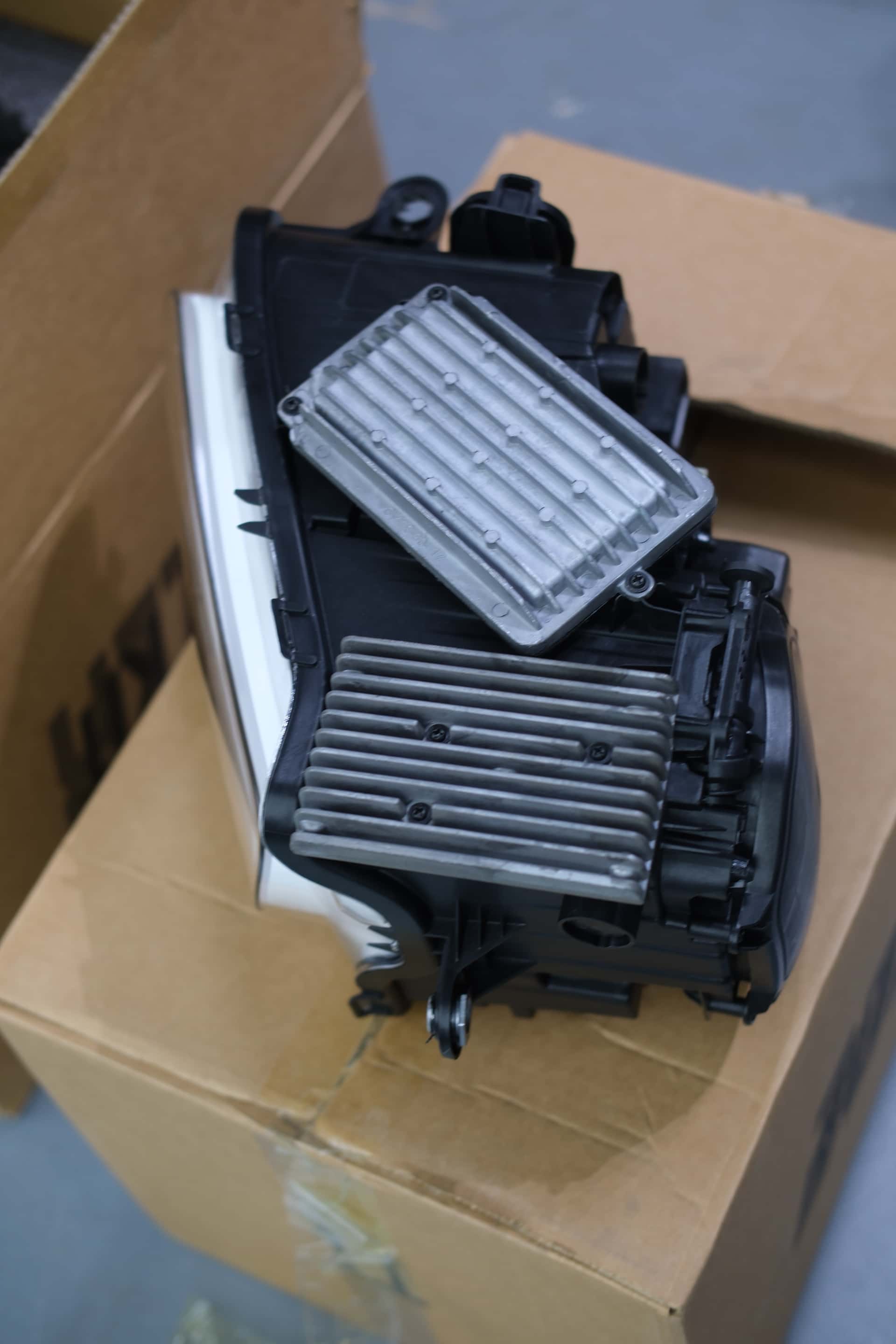
Module identification and connector compatibility must be confirmed for the donor vehicle.
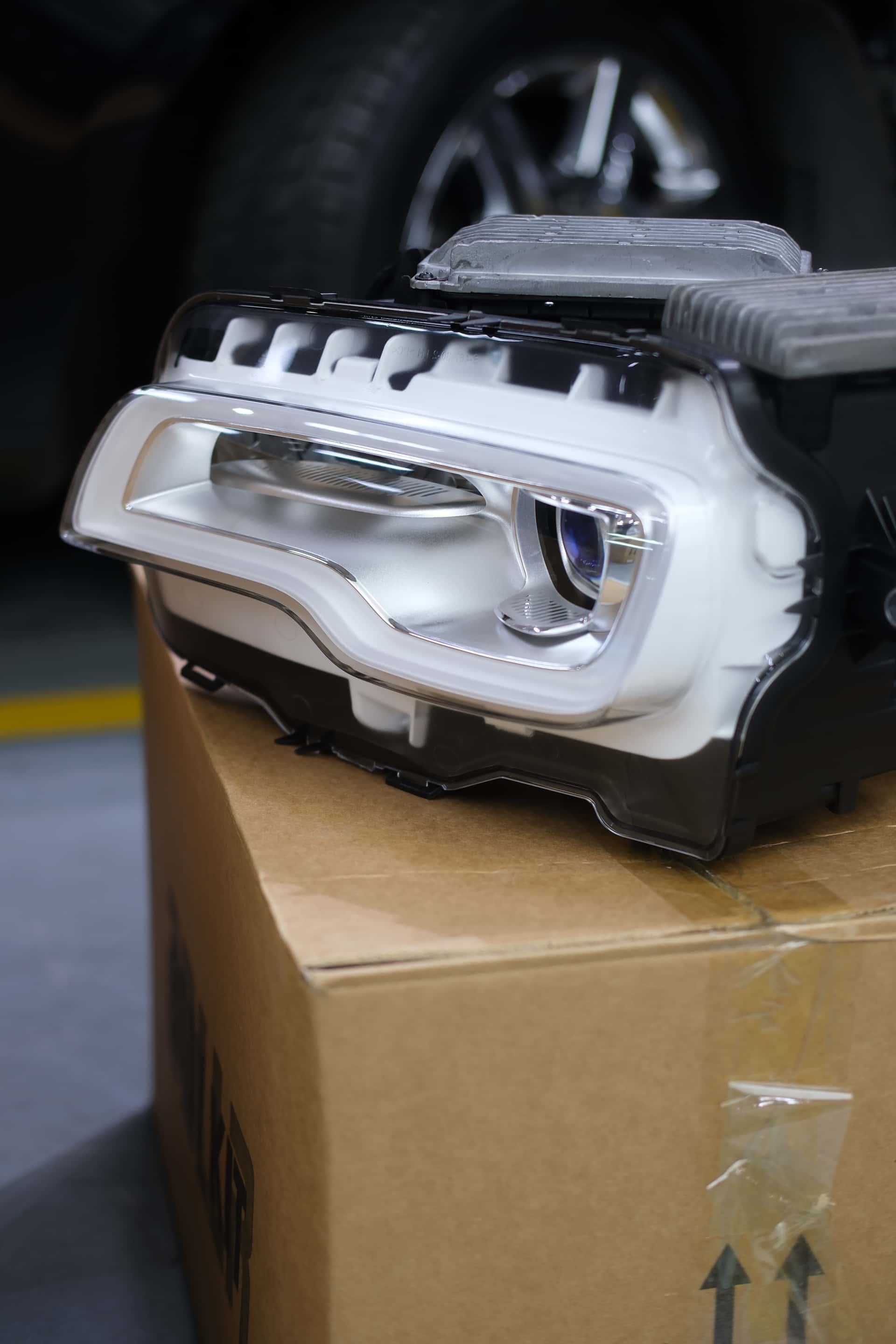
The side profile shows housing depth that must be accommodated behind surrounding body panels.
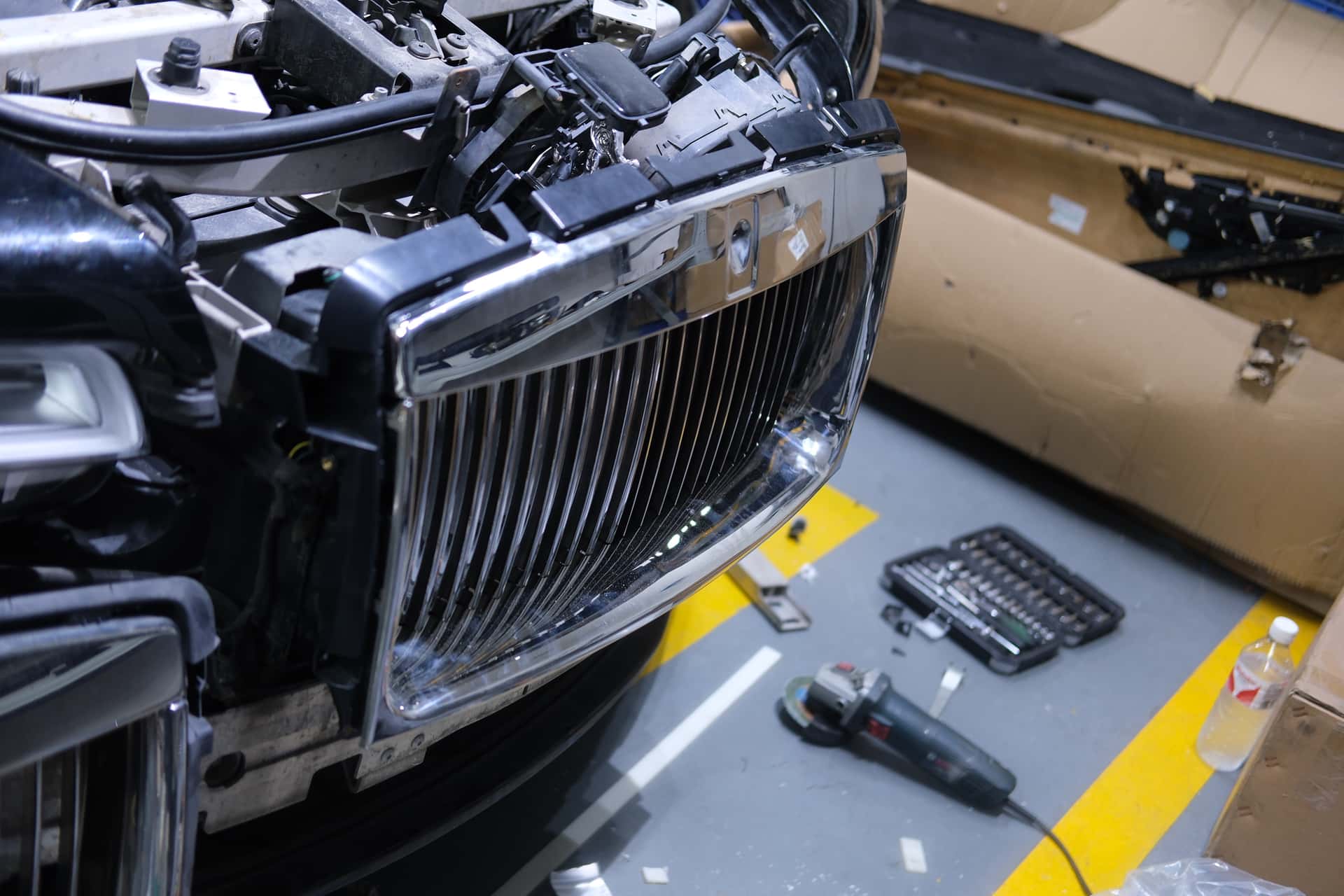
Vehicle context demonstrates why lamp, grille and bumper clearances must be reviewed together.
Technical and specification guidance
Depth, mounting tabs and surrounding body clearances must match the vehicle and conversion panels.
Control units, plugs, wiring and communication requirements must be confirmed before supply.
Heat sinks, modules and housing ventilation support reliable operation and require unobstructed installation.
DRL, low beam, high beam, indicators and any welcome sequence should be listed and function checked.
Professional installers must set lamp aim after fitting and follow destination-specific requirements.
Electrical integration should be checked for warnings, flicker and communication faults after installation.
Customization and fitment
The gallery communicates design possibilities, while the order is controlled by a written vehicle-specific specification. The following areas should be reviewed together so visual choices do not conflict with fitment, retained functions or installation requirements.
Available DRL and internal styling options should be reviewed together with the intended front conversion.
Visible internal colour and surface choices depend on the lamp specification and manufacturing option.
The quotation must clarify whether lamps, modules, wiring adapters and mounting parts are included.
The donor vehicle and local lighting requirements should be considered before confirming a custom setup.
Ordering workflow
Share VIN, model year, market, trim and clear current vehicle images of the relevant areas.
List required components, functions, materials, colours and finish expectations.
Confirm the written specification and review available production or pre-packing evidence.
Choose suitable freight and arrange professional installation plus final function checks.
Part of the complete project
The master page brings exterior, carbon, interior, lighting and wheel work together as one conversion story. Use the specialist pages for deeper product-family information.
View complete conversionFrequently asked questions
OWNSILENT reviews the VIN, model year, market specification, trim and clear project images before confirming a vehicle-specific order.
Yes. The official quotation should list every included component individually, including finish, quantity, supporting hardware and any confirmed functional requirements.
Yes. Luxury vehicle conversion components should be installed by experienced technicians who can verify fitment, clearances, electrical functions and final finish.
Worldwide air and sea cargo options are available after manufacturing. Packing, insurance and destination requirements should be confirmed before dispatch.
No. Connector, module, coding, mounting and body-panel compatibility must be confirmed for the exact vehicle.
Required DRL, indicator, low beam, high beam, welcome sequence and fault monitoring should be listed and checked.
No. Local road-lighting and approval requirements must be checked for the destination.
Get In Touch
Send VIN, model year, current headlight project images, connector information and required lighting functions for a technical review.
Usually replies within one business day · Handled by the OWNSILENT team
Prefer email? Reach us at sales@ownsilent.international
Fitment before supply
Vehicle lighting can vary by chassis, facelift, market, connector, control module and coding. Physical and electrical evidence should be checked before quotation.
Brand, model, year, chassis code and VIN where required.
Front, rear and connector photographs plus the original housing or part label where available.
Connector type, modules, adaptive functions, control units and retained wiring must be confirmed.
Lamp shape, brackets, bumper/fender interfaces and left/right orientation require physical matching.
Low/high beam, DRL, turn signal, matrix/adaptive functions and market requirements should be defined.
Confirm left/right quantity, included modules, coding requirements, exclusions and destination before supply.